
As of 16 February 2026 (Europe/Berlin). Market commentary, not financial advice.
If you’ve looked at gold lately and thought, “Wait—how did we get here?” you’re not alone.
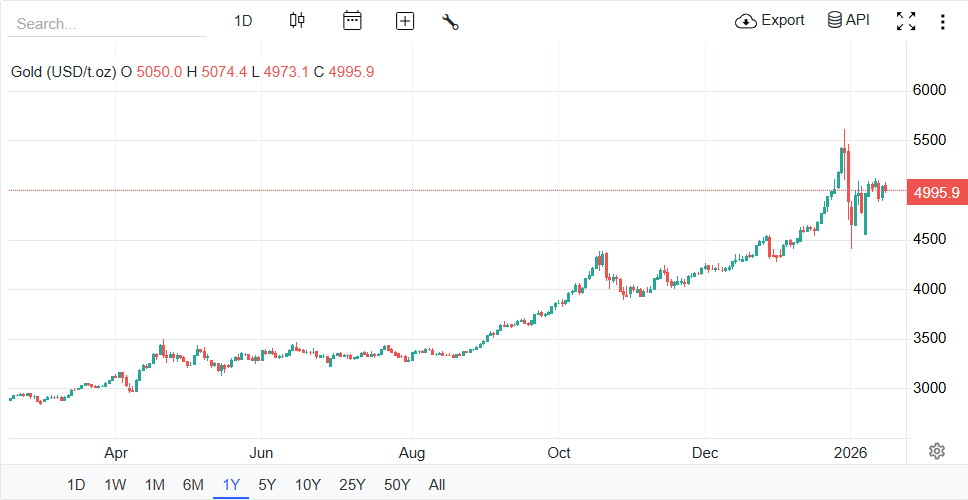
Gold hovering around $5,000/oz isn’t a normal “late-cycle hedge” story anymore. It’s a story about trust, policy, and geopolitics—with a paper market that still sets the marginal price, and a physical market that’s quietly reasserting its importance.
This piece breaks down what the market is telling us right now, why it matters, and how to think about gold’s short-, mid-, and long-term future—without getting lost in trader jargon.
1) The “headline move” vs. the real signal
Yes, gold pulled back a bit into mid-February after running to fresh highs earlier in the year. But the bigger message isn’t the dip.
The message is: gold is behaving like a strategic asset, not a commodity.
When gold trades at levels that overwhelm jewelry demand and still holds up, you’re looking at demand that’s less price-sensitive and more policy-driven—central banks, reserve diversification, and capital seeking “neutral” collateral.
2) Physical market: the structural bid is official
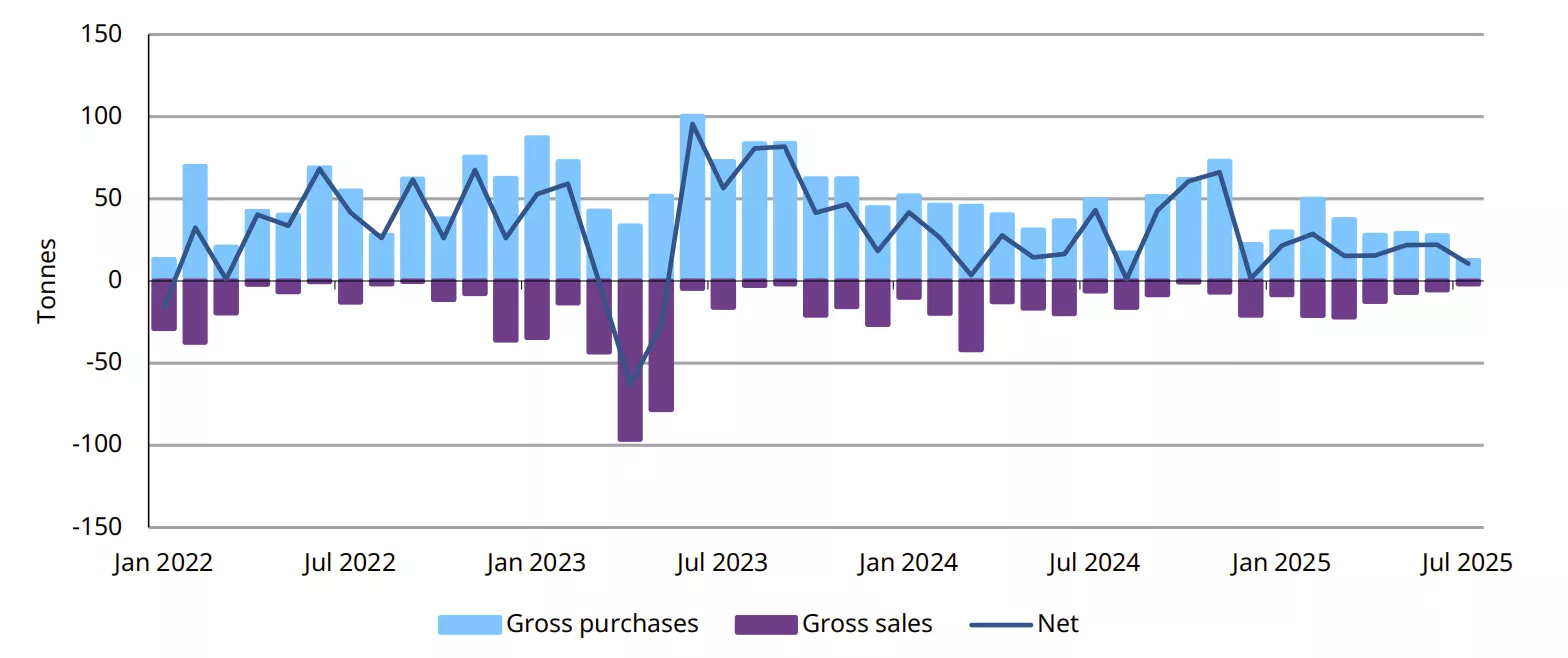
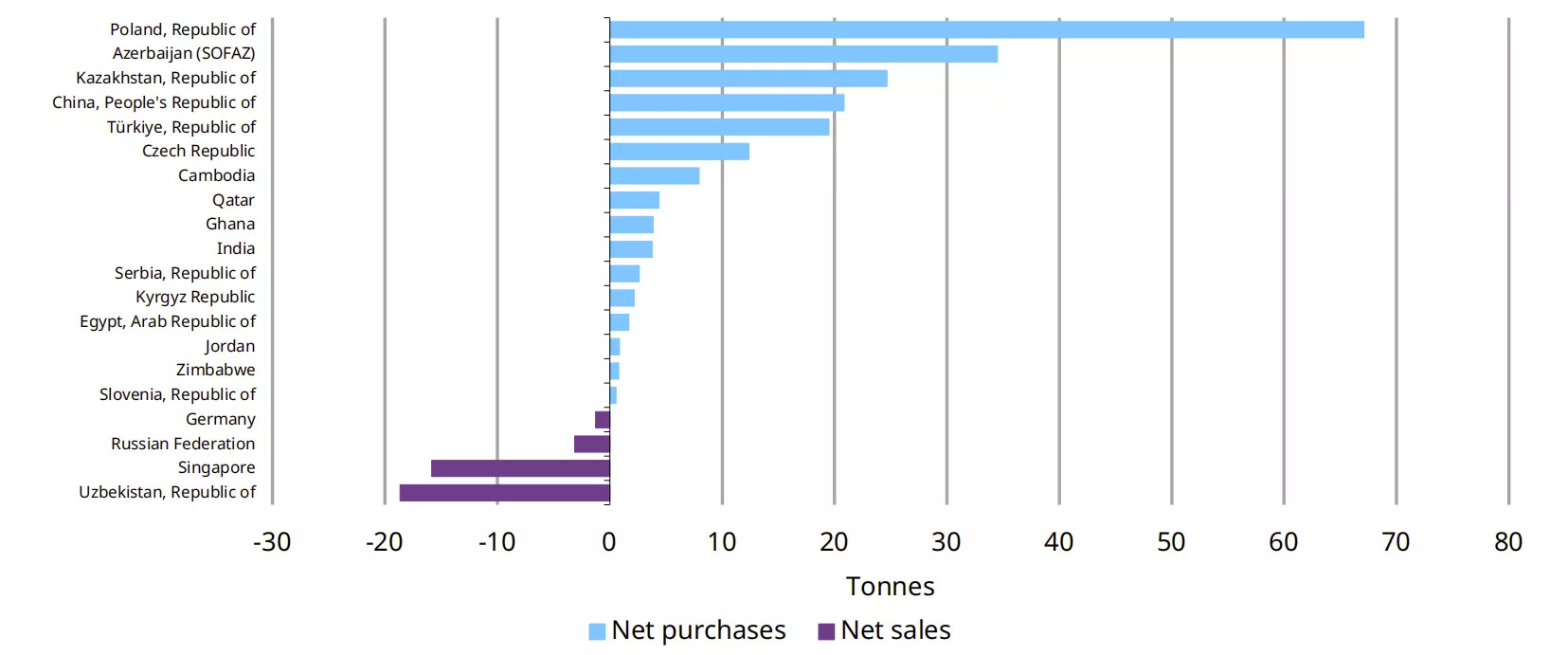
Central banks are the backbone
The most durable pillar under gold right now is official-sector buying.
When central banks buy gold, it tends to be:
longer-term
less likely to panic-sell
motivated by things that don’t go away (reserve diversification, sanctions risk, geopolitical fragmentation)
That’s why gold can stay high even when speculative flows wobble.
ETFs are still the “Western volume knob”
ETFs (especially the big ones) can flip sentiment fast. Even in a central-bank-driven regime, ETF flows can amplify moves both ways.
3) Mine supply: high prices don’t create new ounces overnight
Gold isn’t like oil where supply can ramp quickly. New mines take years:
exploration → feasibility → permits → financing → construction → production
Even with record prices, the system can’t instantly flood the market with new supply. And that matters because it means demand shocks—especially official-sector shocks—can have persistent effects.
Miners are making money… but constraints are rising
At $5,000 gold, margins are enormous on paper—but miners still face:
cost inflation (energy, labor, consumables)
permitting delays
political risk (taxes/royalties rise when prices rise)
capital discipline (boards don’t want “growth at any price” again)
So the mining response may be: more exploration, more optimization, fewer reckless mega-bets.
4) The paper market: where the price is still “made”
Let’s say this plainly:
Most day-to-day gold price discovery happens through paper claims:
London OTC (forwards/unallocated accounts)
COMEX futures/options
That does not mean paper is “fake.”
It means the market clears through contracts, and physical tightness shows up indirectly: spreads, premia, inventories, delivery dynamics.
CFTC positioning shows speculative heat
Managed Money positioning has been heavily net long—great for momentum, dangerous when macro shocks hit.
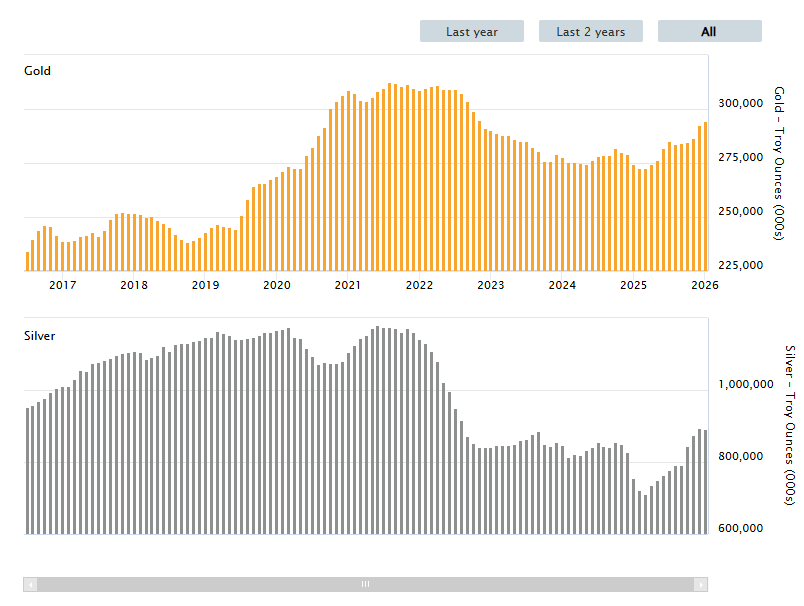
London vaults: the physical “balance sheet”
London remains the key physical hub behind the OTC system. Vault levels help you understand whether bullion is accumulating, migrating, or being stressed.
5) Geopolitics: the gold bid that doesn’t show up in CPI
Here’s the core geopolitical link to gold in 2026:
Gold is neutral collateral in a world where money is increasingly political.
Three forces matter most:
Sanctions & reserve security
If a country worries its FX reserves could be frozen, gold becomes more attractive.
Fragmentation of trade and payment rails
Multipolar systems prefer assets that don’t require another nation’s balance sheet.
Resource nationalism
As gold rises, governments often tighten their grip (royalties, taxes, export rules), which can cap supply expansion and raise risk premia.
6) What the market is telling us (in one sentence)
Gold near $5,000 is the market pricing a trust premium: not just inflation, but policy risk + geopolitical risk + reserve diversification—with supply too slow to quickly neutralize it.
7) The outlook: short, mid, long term
Short term (0–3 months): Volatile consolidation
Gold is expensive, sentiment is crowded, and positioning is heavy.
Base case: choppy range with sharp drops and fast rebounds.
Bear triggers (short term):
USD strength spikes
real yields jump
risk-on euphoria drains hedges
managed money de-levers
Bull triggers (short term):
geopolitical escalation
dovish pivot expectations
fresh ETF inflows
strong official-sector buying headlines
Middle term (3–18 months): Tug-of-war between rates and policy demand
This is where the regime is decided.
If real yields grind higher and growth is stable, gold can correct meaningfully—but strong central bank demand can “raise the floor” compared to past cycles.
If rates soften and geopolitical risk persists, gold can resume its climb—possibly in bursts, not a smooth line.
Long term (2–10+ years): Structural support, but cyclical drawdowns
Long term, gold’s bullish case rests on:
reserve diversification becoming permanent behavior
slow mine supply response
debt/fiscal credibility questions
recurring geopolitical fragmentation
But gold can still experience long drawdowns when:
real yields remain convincingly positive
geopolitical risk premia fade
speculative demand dries up
Think of long-term gold as supported—but not linear.
Closing thought
In 2026, gold isn’t just reacting to inflation prints. It’s reacting to something deeper:
A world where “risk-free” is political, and gold is the asset that doesn’t need permission.